America's drug overdose crisis touches every community
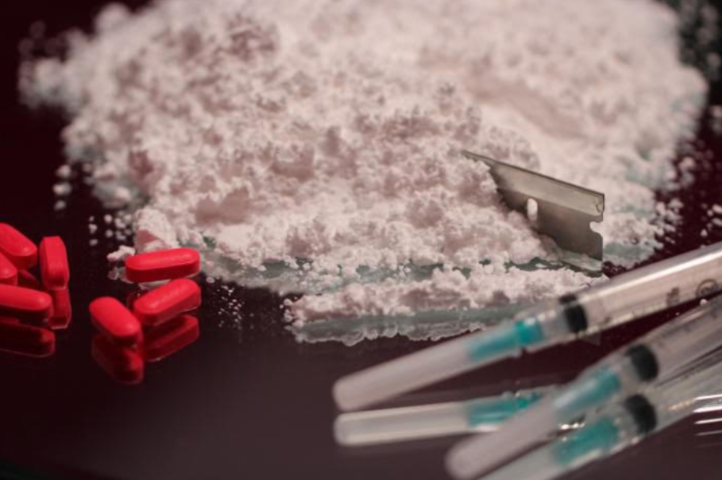
The current drug overdose crisis is the largest recorded in U.S. history, affecting people from all racial and ethnic groups, and largely driven by prescription opioids, heroin, and the synthetic opioid fentanyl. Over a quarter of a million (250,000) Americans have died from a fentanyl overdose since 2018.
About RESTORE
Opioid overdose death rates are high, with 81,083 deaths in 2023 and rapidly accelerating for American Indian/Alaska Native people, Black people, and Hispanic people, with opioid overdose death rates increasing fastest among Black people.
The U.S. Food and Drug Administration-approved medications for opioid use disorder, buprenorphine in particular, are the gold standard treatment for people with opioid use disorder, however, Black people and people living in low-income areas receive medications for opioid use disorder at lower rates than others, which contributes to the ongoing crisis. Community health clinics are key, low barrier access points for medications for opioid use disorder given 35.2 million people visit community health clinics annually.
Following the science and data, and guided by community engagement principles, the mission of RESTORE is to remove the barriers that Black people with opioid use disorder experience getting access to or staying connected to lifesaving medications for opioid use disorder.
We are building pathways to evidence-based addiction treatment and care that respect culture, community health, and recovery support.


RESTORE Aims To

Engage
Engage Black people affected by opioid use, clinicians, and community organizations in substance use research and treatment
Develop
Develop, implement, and evaluate a culturally and clinically responsive evidence-based opioid use disorder treatment intervention in community health clinics

Empower
Empower primary care providers to be Medication Assisted Treatment (MAT) Champions in community health clinics
Educate
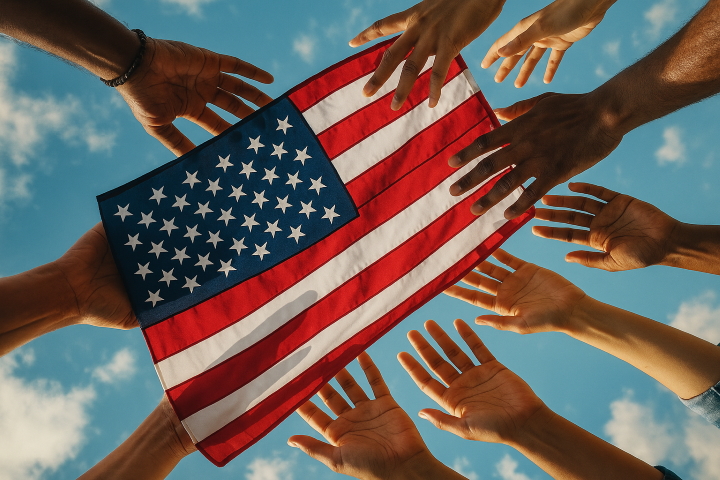
Educate the public on the racial gaps in America's drug overdose crisis
Disseminate
Disseminate community engaged research that informs addiction policy and opioid use disorder treatment

Our Team
Our team is made up of a diverse group of medical sociologists, clinical psychologists, biostatisticians, survey researchers, physicians, faith-based leaders, community health workers, and public health students. Our areas of expertise include addiction medicine, community-engaged research, and implementation science.
Our Research